Play audio while browsing.
During my residency with Haiti Cultural Exchange, I explored ways to strengthen connections within the Haitian diaspora in Canarsie through one of Haiti's most internationally recognized novels, Masters of the Dew. The project used the novel as a point of entry to challenge narrow ideas of what it means to be a "real Haitian."
As part of this research, I interviewed Claude Roumain, the nephew of Jacques Roumain, about the lived realities of migration, displacement, and belonging. Together, we reflected on the continued relevance of Masters of the Dew and its enduring message for Haitians both in Haiti and throughout the diaspora.
It was essential that our conversation take place in Haitian Creole. Beyond being a means of communication, Haitian Creole carries the intense emotion, and devotion to our beloved Haiti; an essence that cannot be fully translated into another language.
Photograph by Axelle Baril
JANBE DLO, 2026 (“TO CROSS WATER” in Haitian Creole)
The installation explores the relationship between spirituality, labor, and community responsibility through participant-created photographs documenting Canarsie. Inspired by Jacques Roumain’s Masters of the Dew, the work draws parallels between the novel’s themes of displacement, spirituality in connection to despair/survival, and reconnection to land and the realities of contemporary Haitian communities.
Photographs produced by the participants during my residency at Haiti Cultural Exchange are partially obscured with poured wax, referencing both water, a central symbol in the Haitian novel, and the presence of candles within Haitian spiritual and religious practices, including Vodou. The superimposition (wax) transforms the photographic surface into an object of ritual and reflection.
Additional sculptural elements, including shelves holding candles and a kneeler positioned across the images, invite viewers into an active moment of contemplation and participation. The installation reflects on the idea that healing and transformation emerge not only through faith, but through communal action.
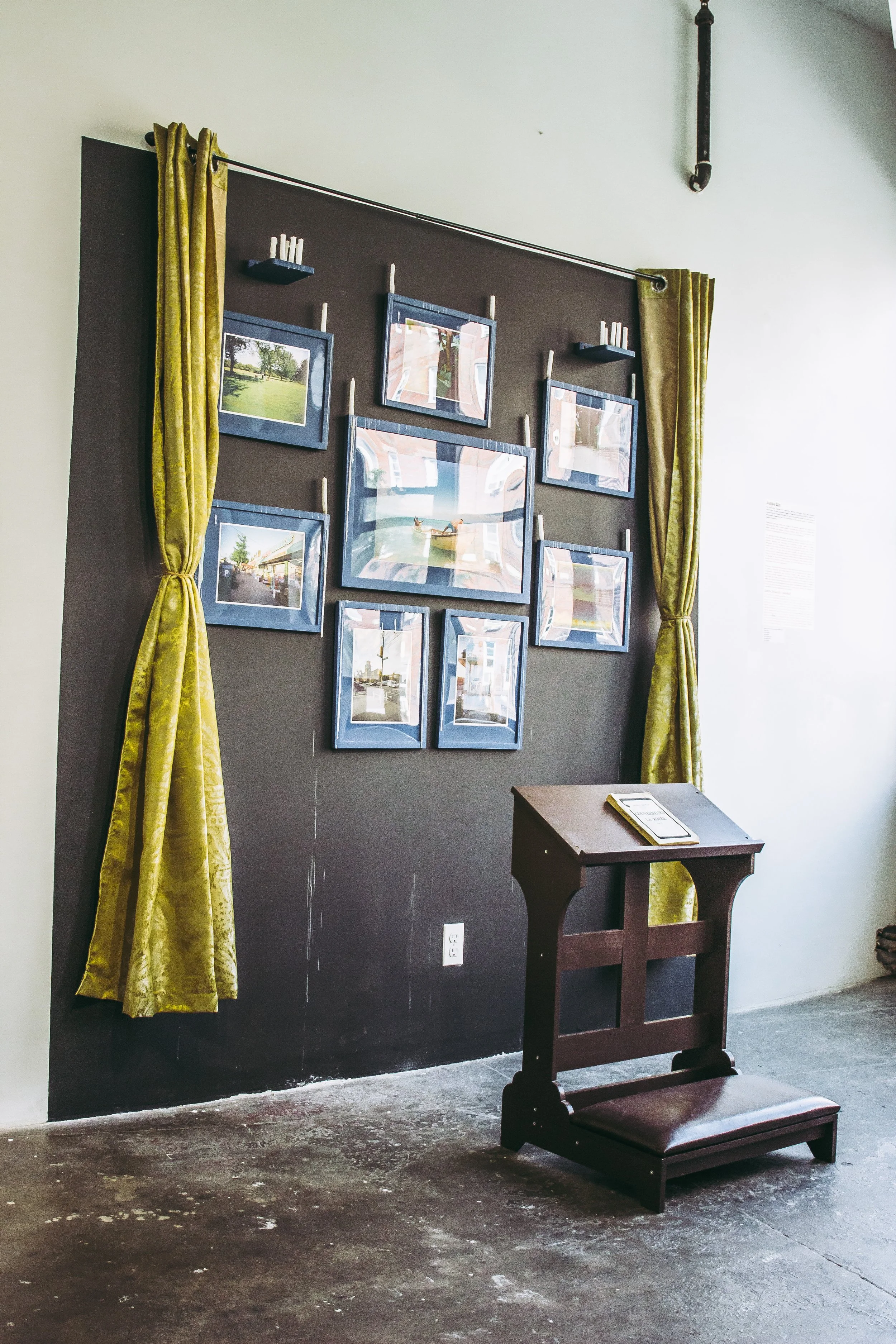
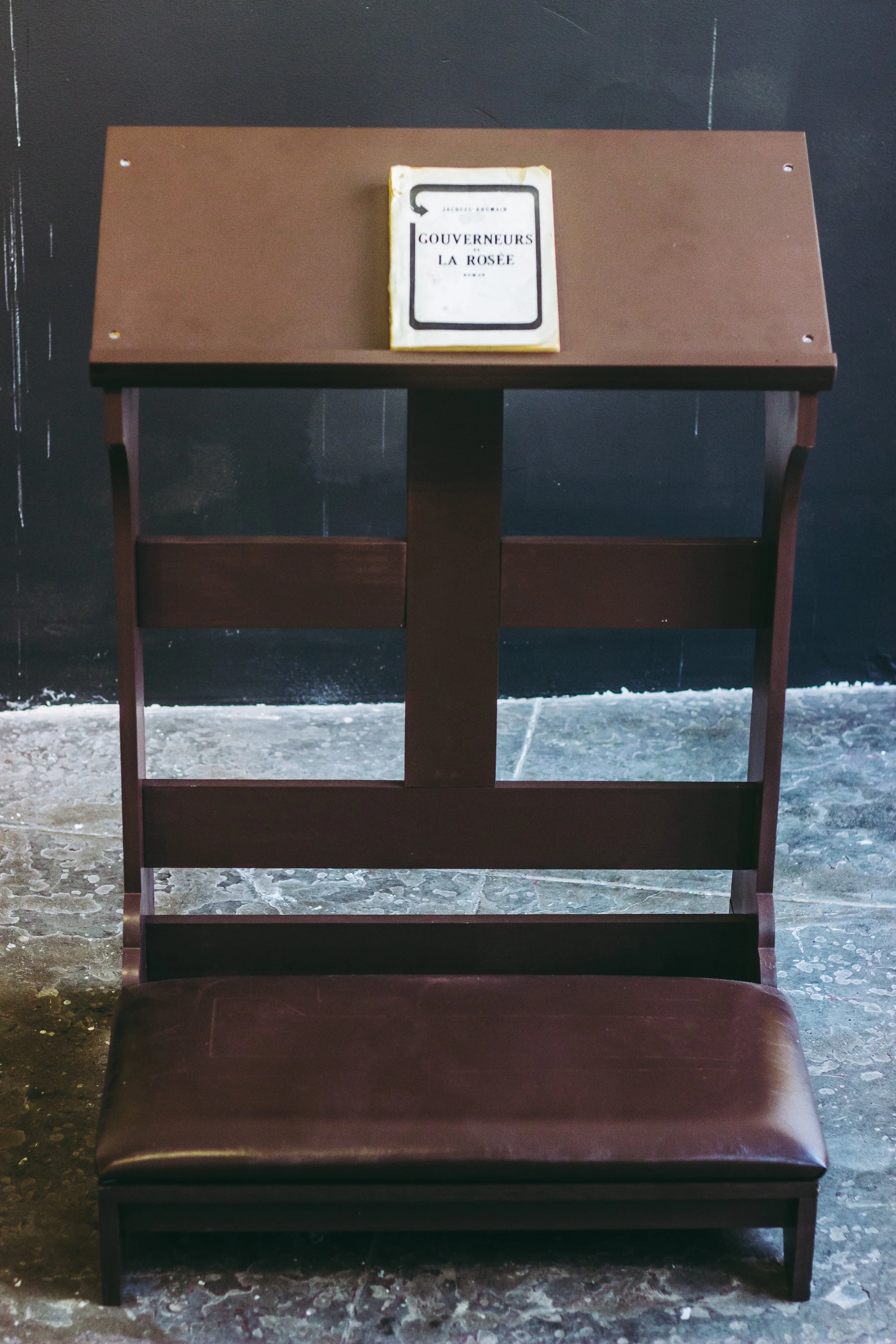
The kneeler placed before the photographs invites viewers into an act of collective reflection. While kneeling traditionally directs one's gaze upward toward heaven and God, this installation instead asks viewers to look up to community. In Masters of the Dew, the protagonist returns to Haiti and realizes that the villagers pray for rain rather than unite to search for water themselves. The kneeler reframes this gesture of devotion, shifting it from passive hope to collective responsibility and action.
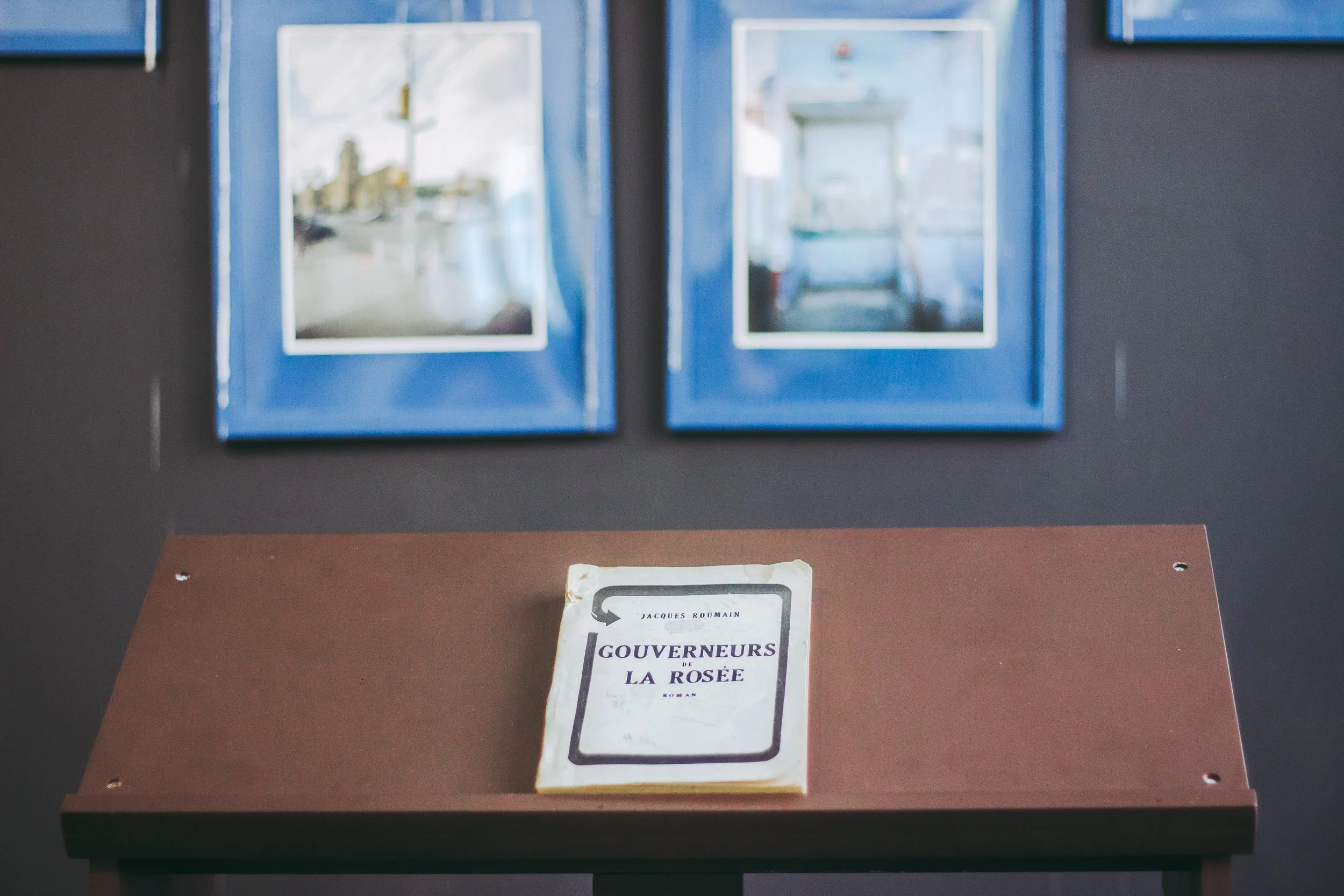
This first-edition copy of Masters of the Dew was generously lent to the artist by the Roumain family from their private library during her research into the life and work of Jacques Roumain. Rarely accessible to the public, the book is presented as both a historical artifact and an intimate connection to the author's legacy. Its display invites viewers to encounter the text with the same care, reverence, and attentiveness often reserved for treasured cultural and historical objects. By making this rare edition visible, the installation offers an opportunity to engage directly with a significant piece of Haitian literary history.
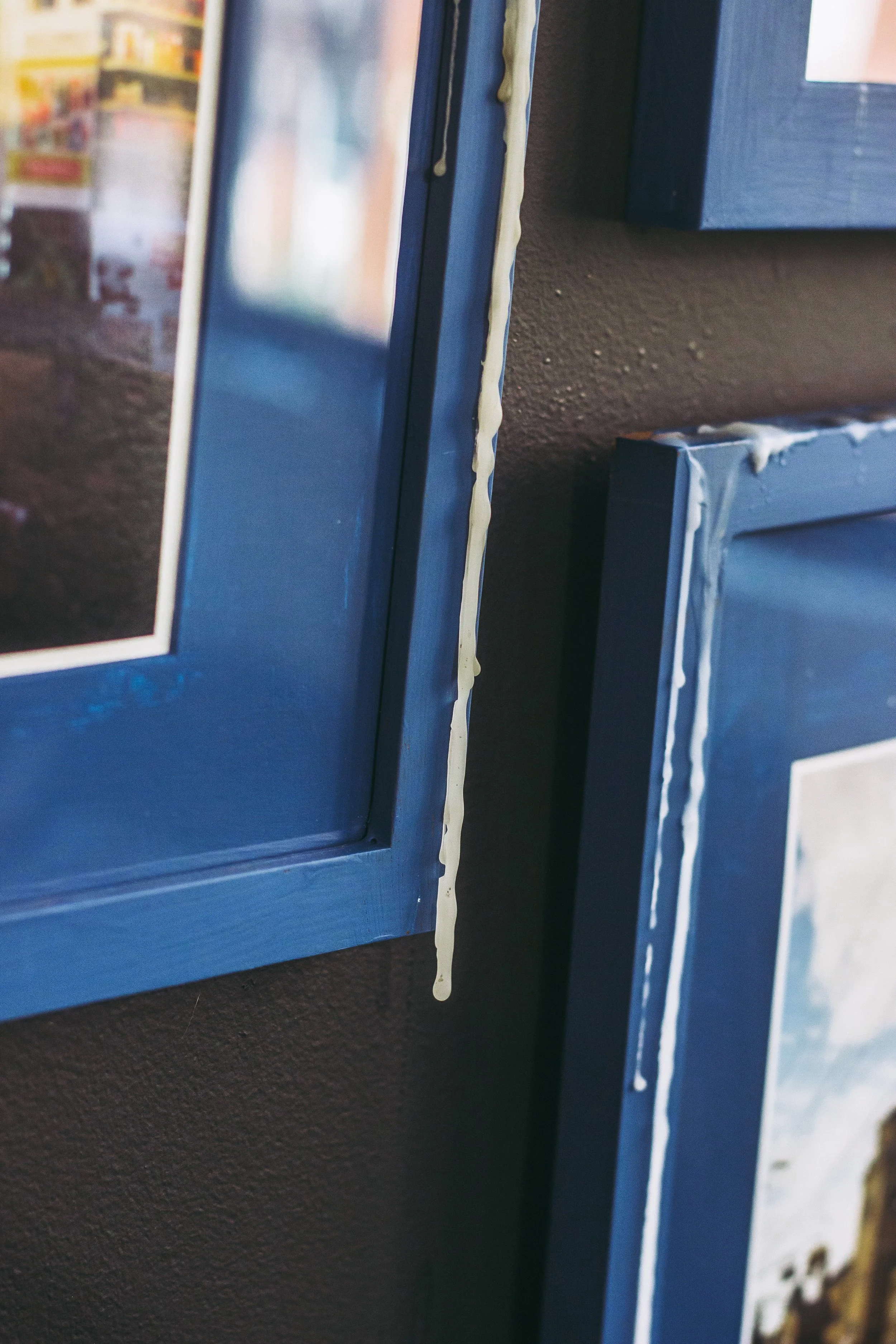
Water was a major theme in Masters of the Dew, and the wax references both water and the presence of candles within Haitian spiritual and religious practices, including Vodou, which is also reflected throughout the book.
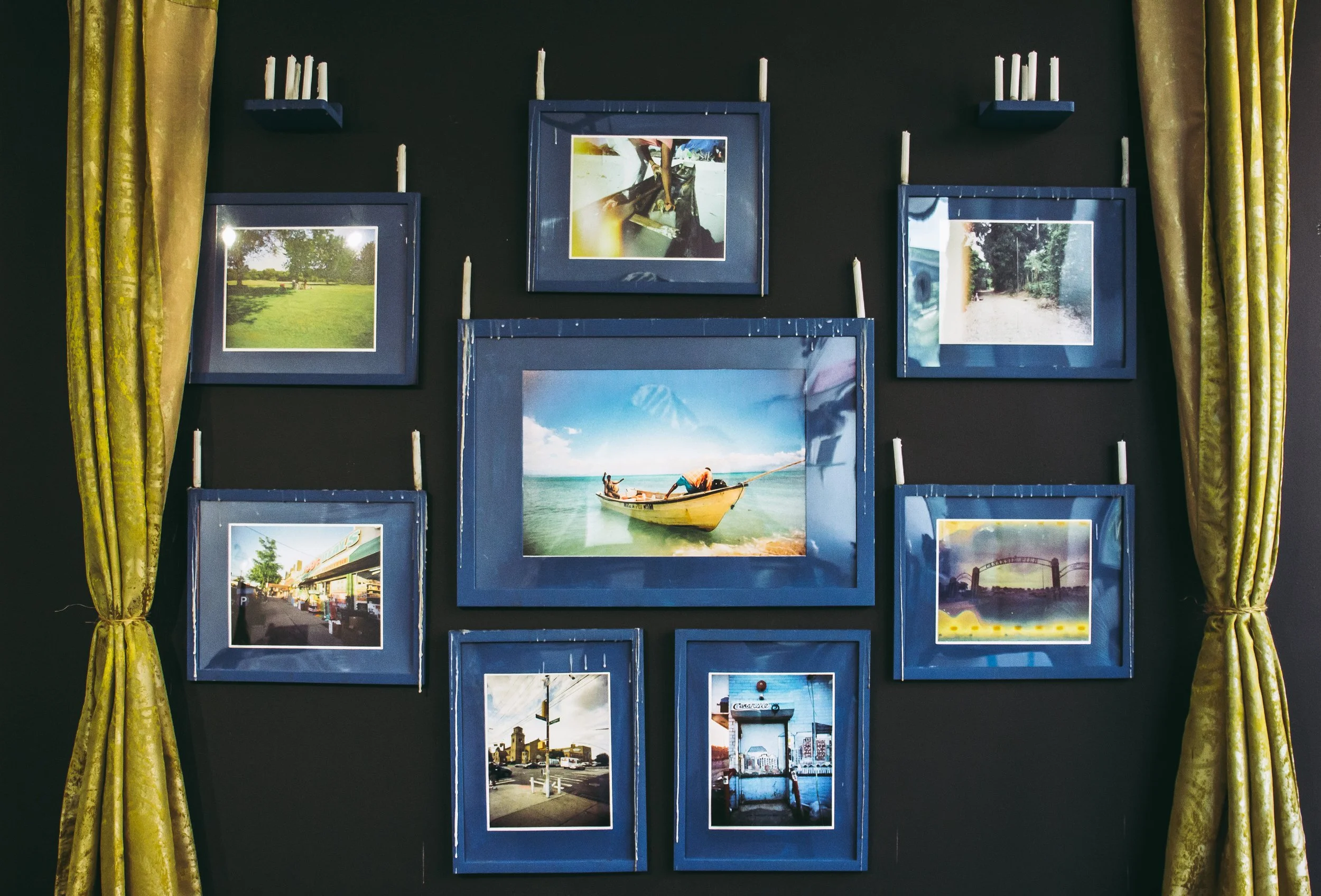
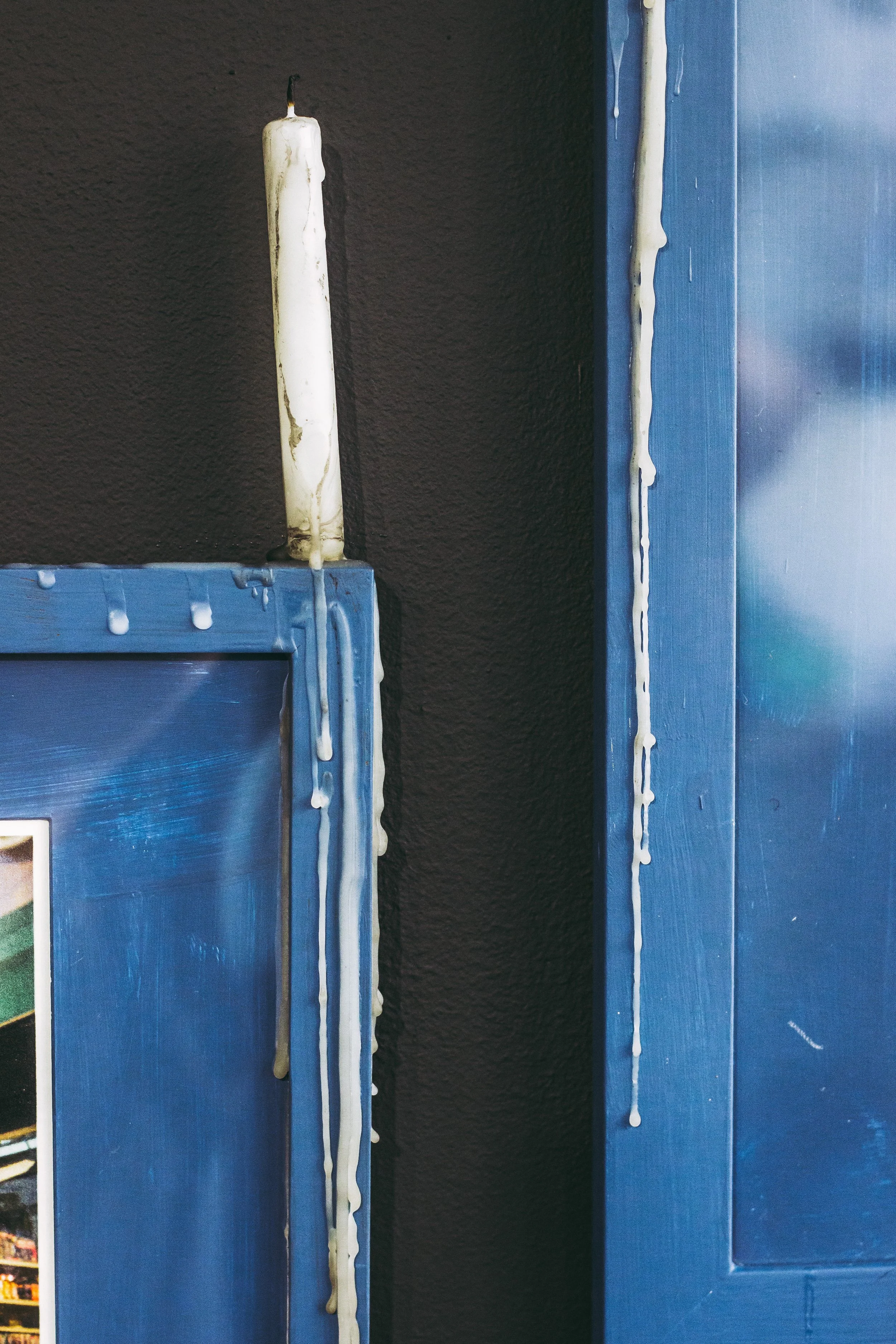
Each frame was hand-painted blue by the artist to evoke water as both a physical and symbolic presence throughout the installation. For Afro-Caribbean communities, water means migration, passage between worlds and ancestral connection. By enveloping each work in blue, the frames become an extension of these intertwined histories.
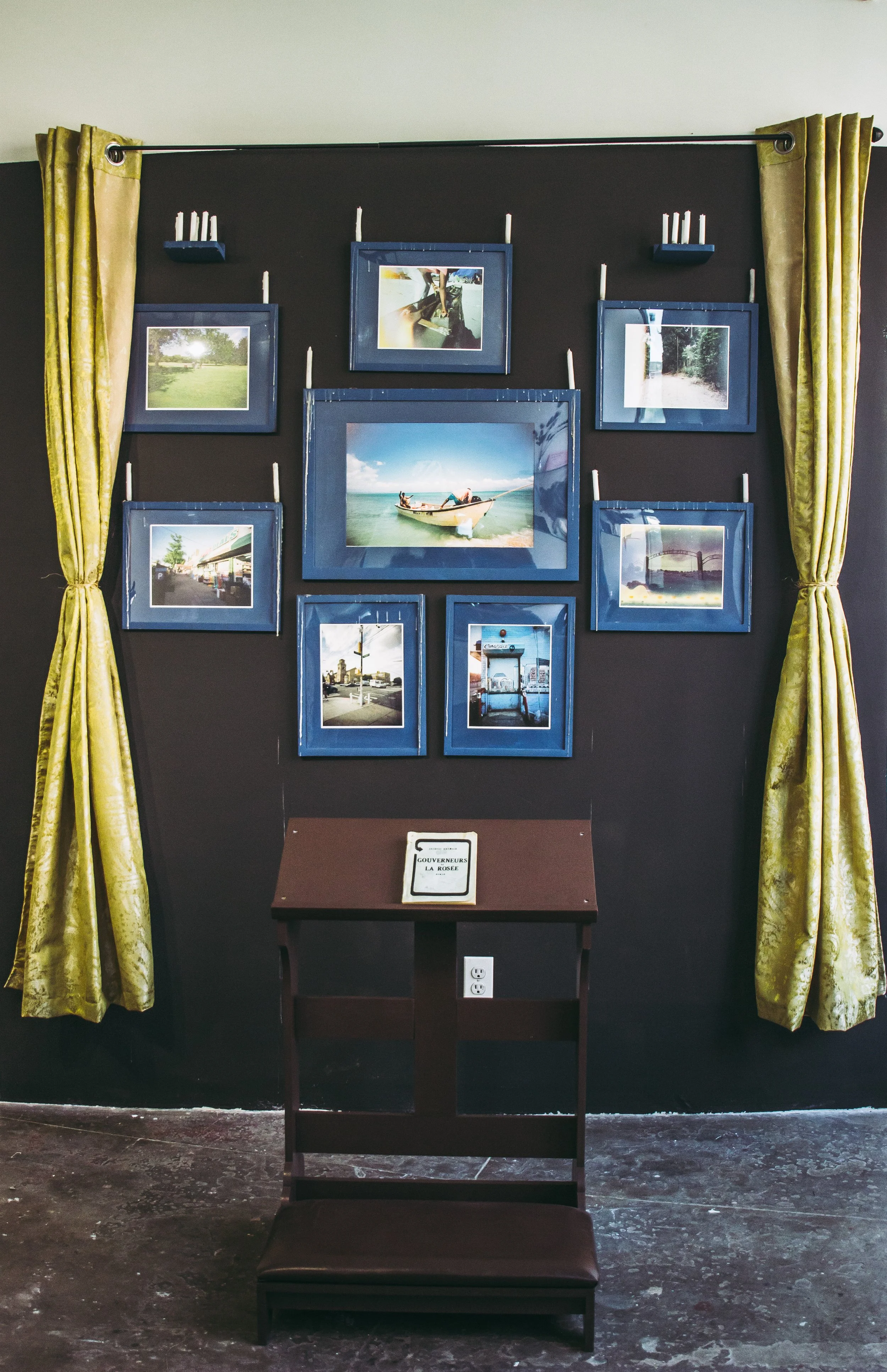
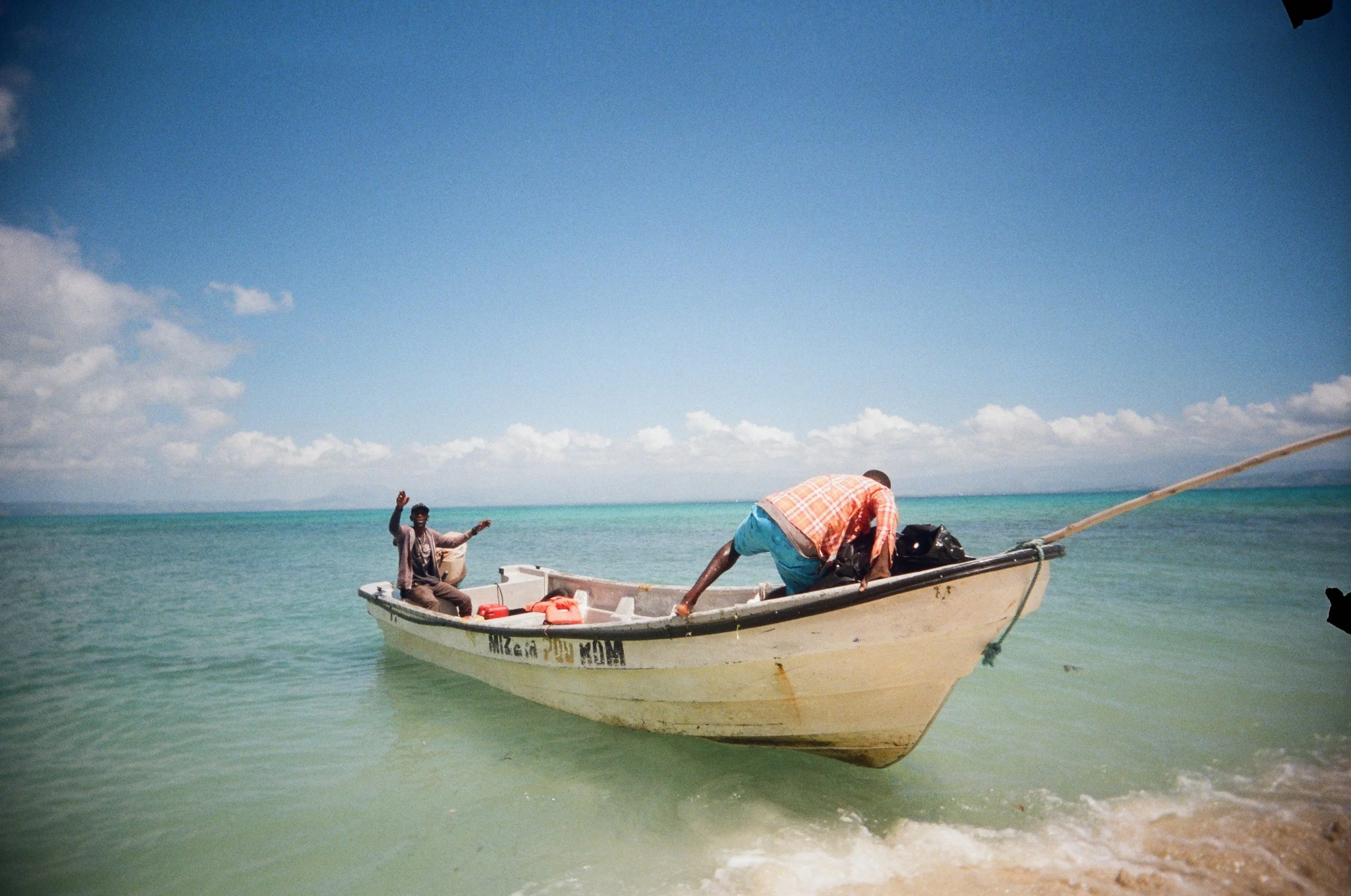
Zevallos gave each participant a camera, film, and a copy of Masters of the Dew to record places important to the Haitian community. One participant traveled to Aux Cayes, Haiti, letting Zevallos compare ideas of "home" in Haiti and in Canarsie, Brooklyn. These paired perspectives question what counts as "home" or a "real" Haitian experience amid displacement.

Photo by Tasha Douge
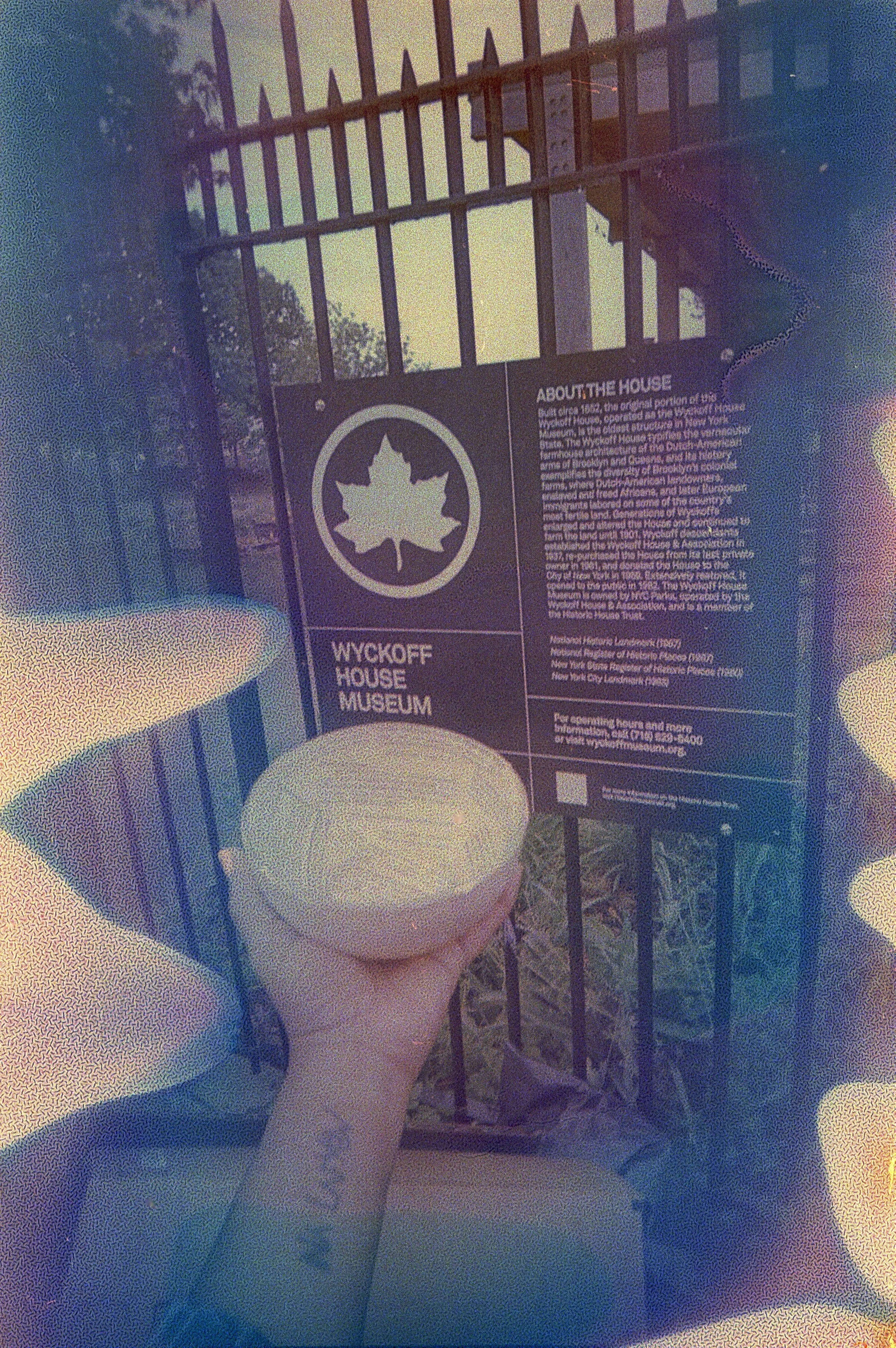
Photo by Tasha Douge
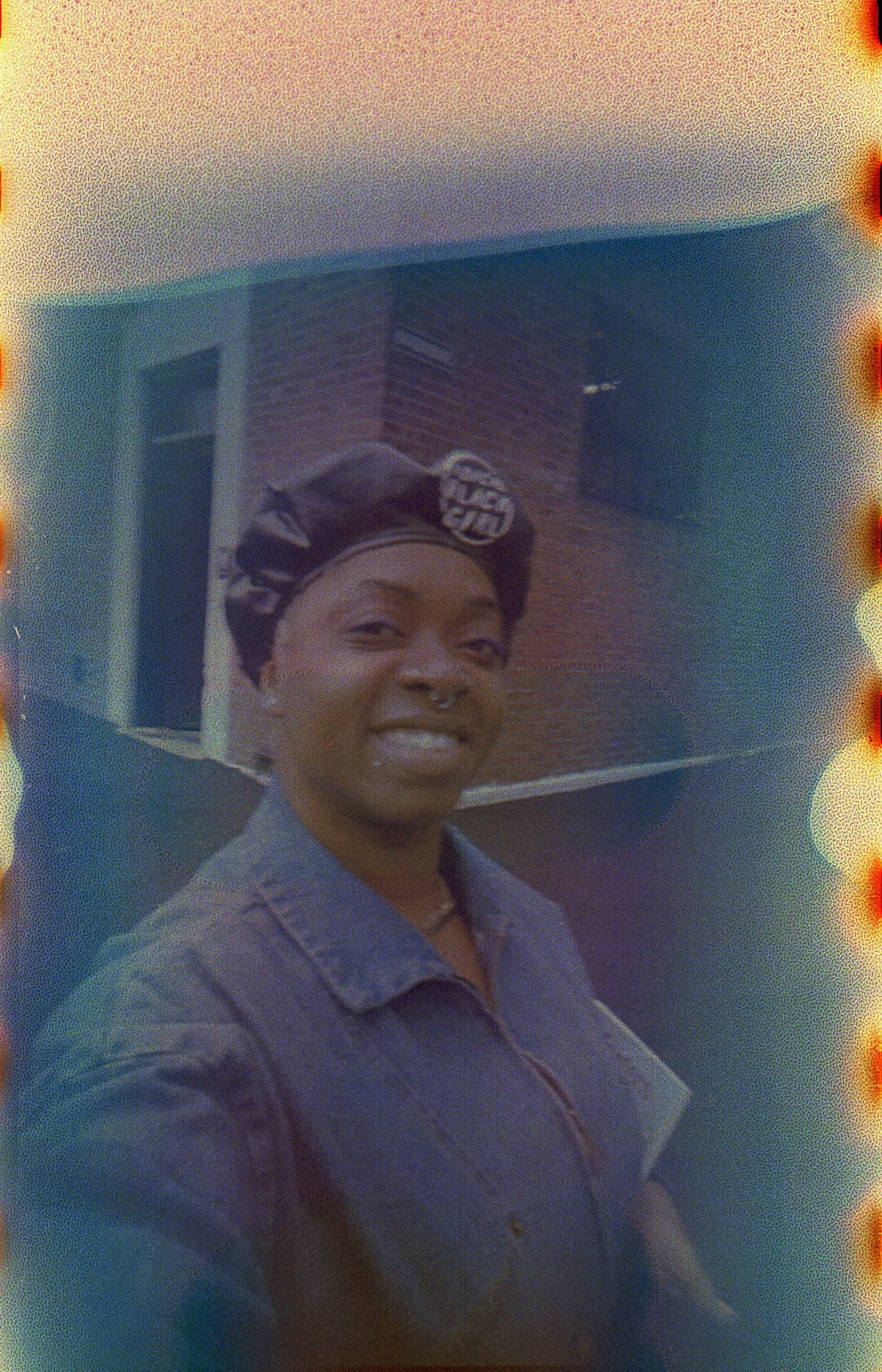
Photo by Tasha Douge
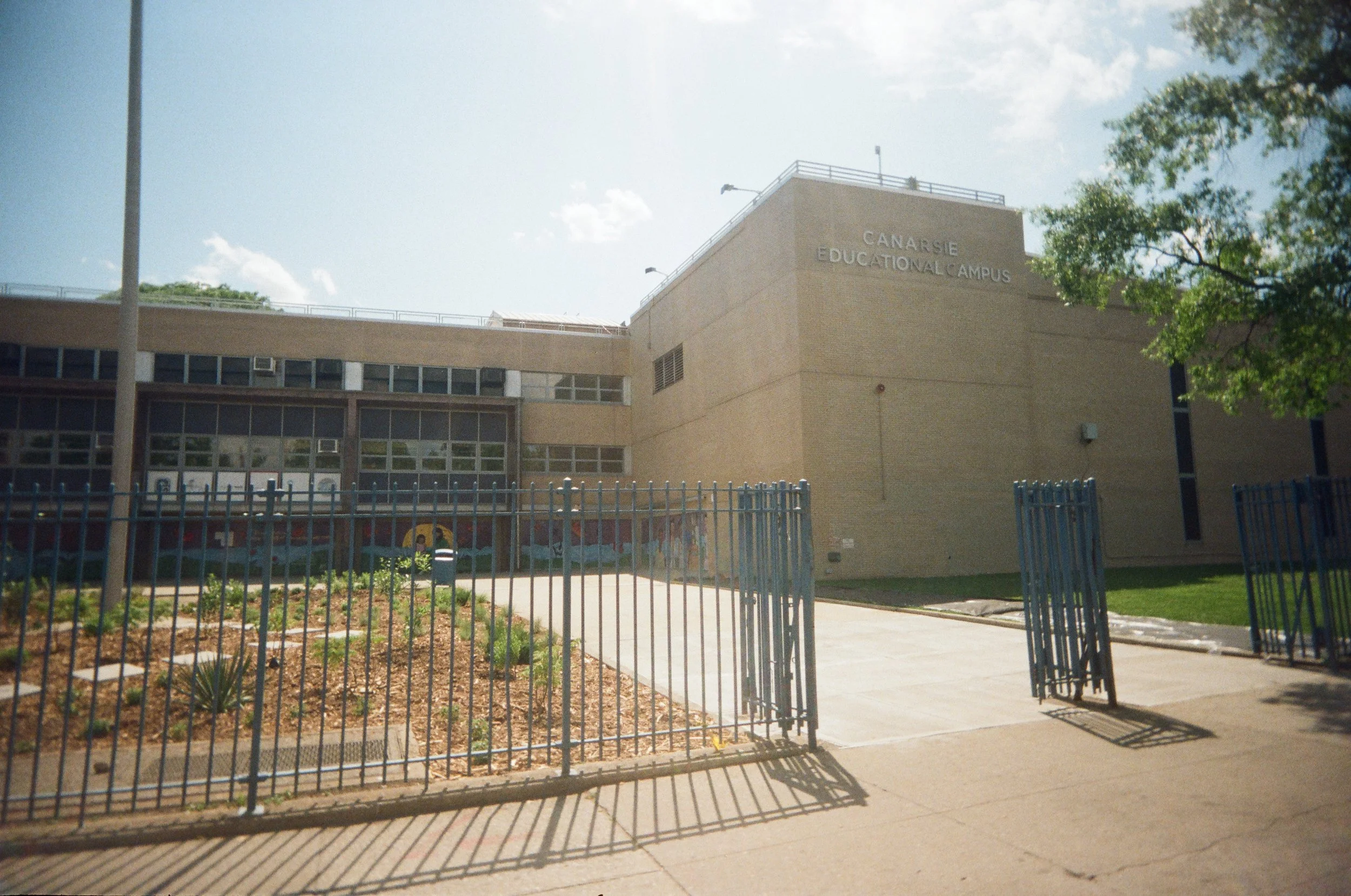
Photo by Julia Jean-Louis
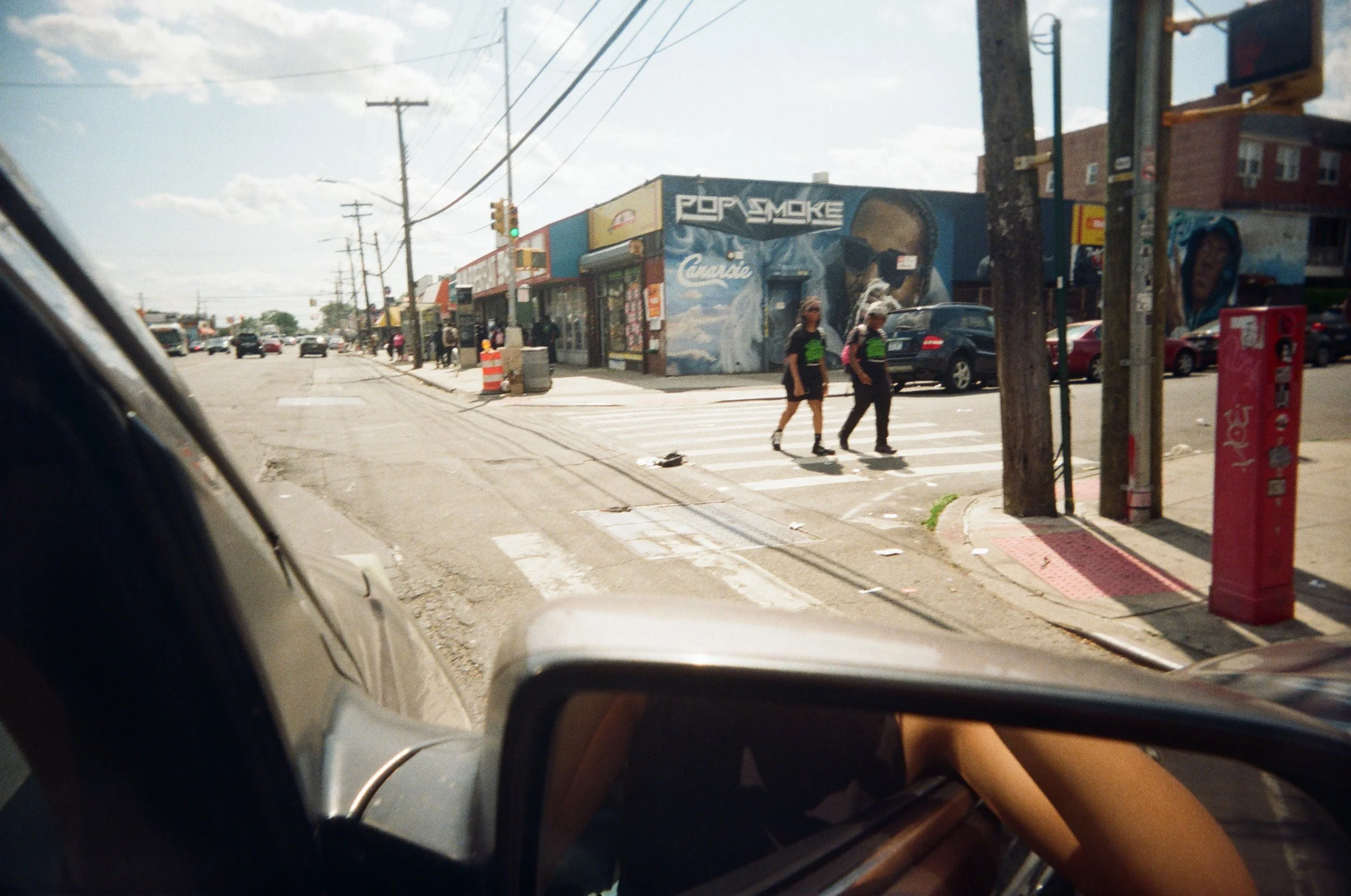
Photo by Patricia Jean-Louis
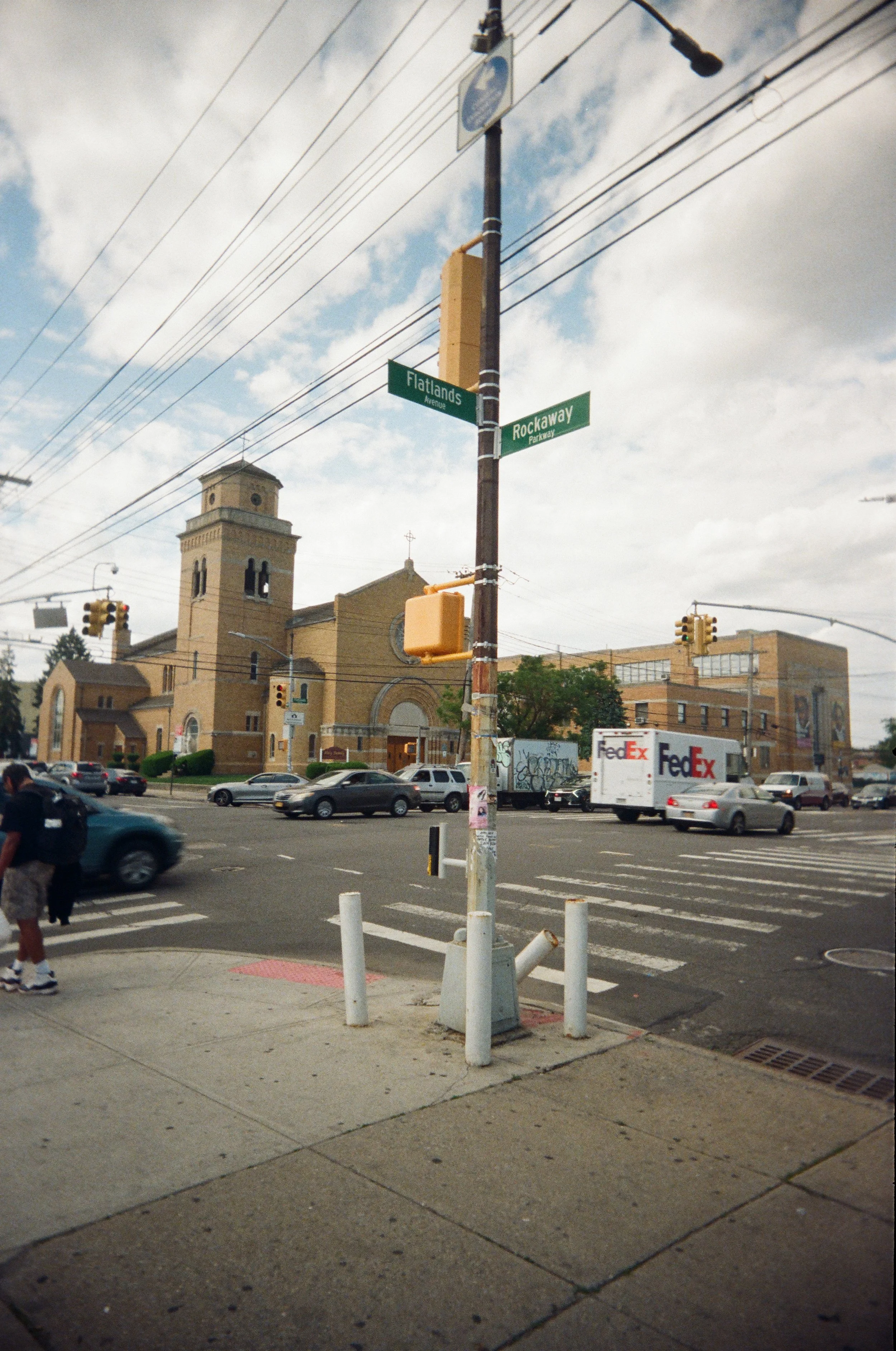
Photo by Julia Jean-Louis
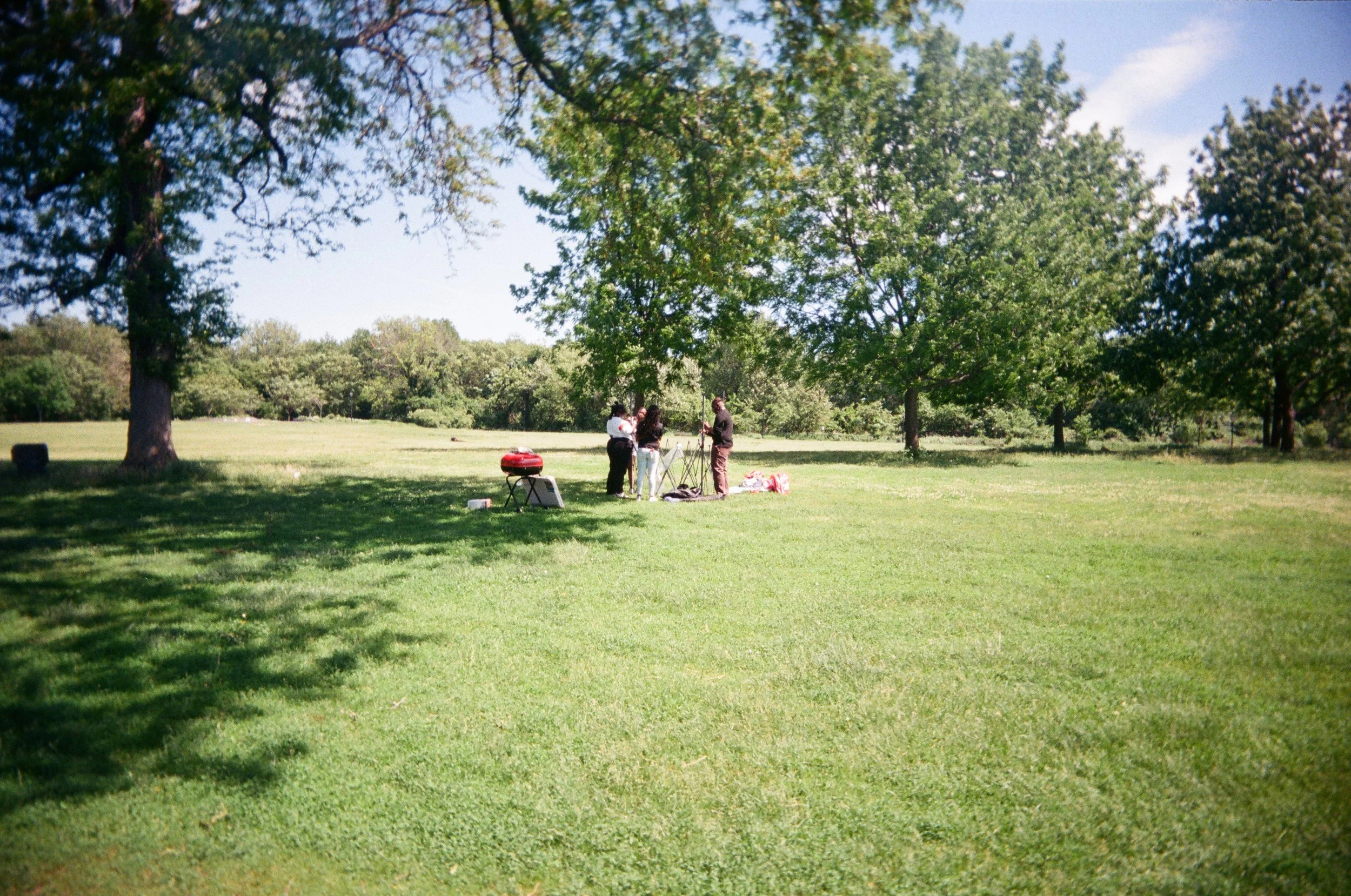
Photo by Patricia Jean-Louis
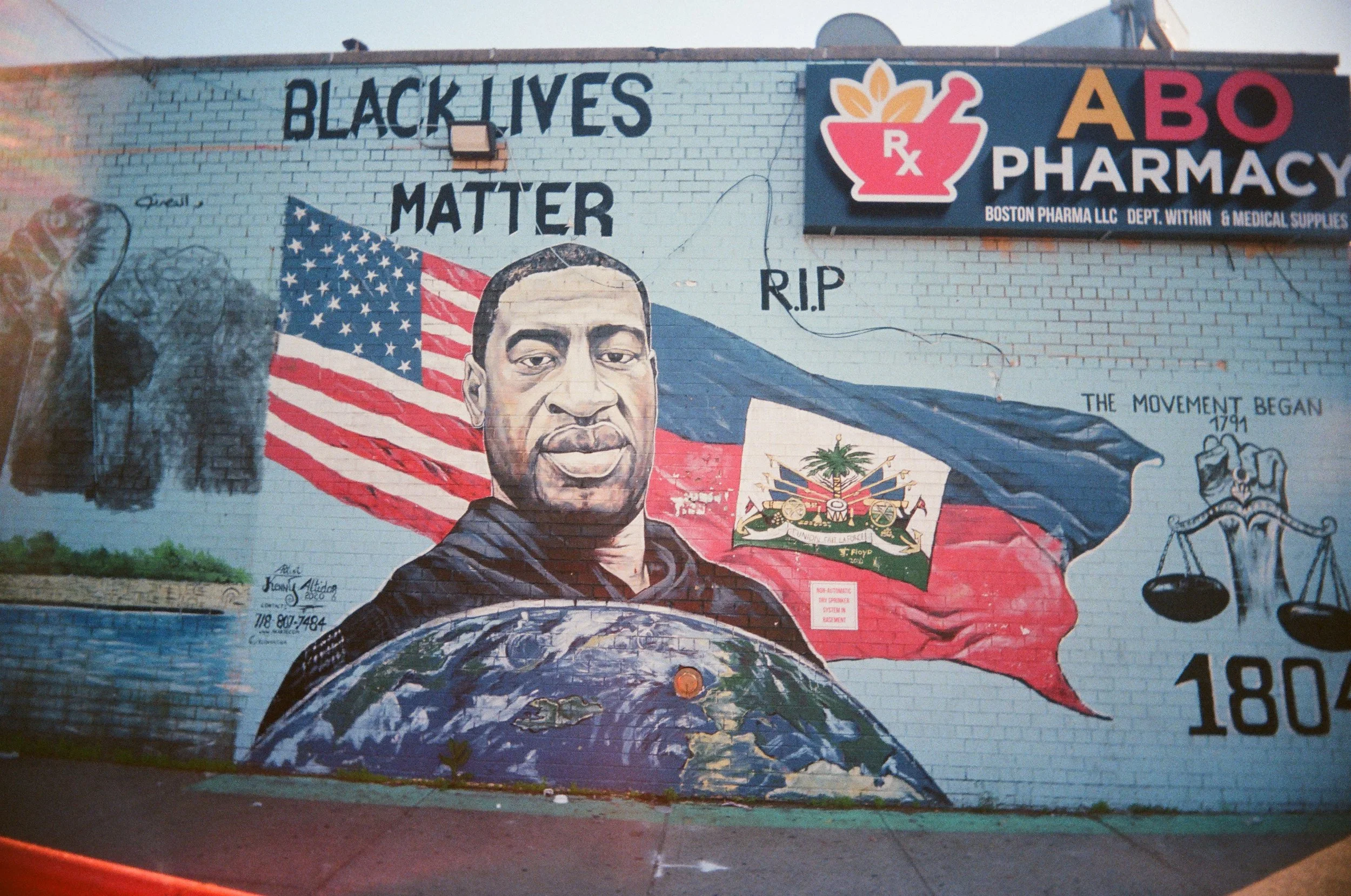
Photo by Alexa Zevallos
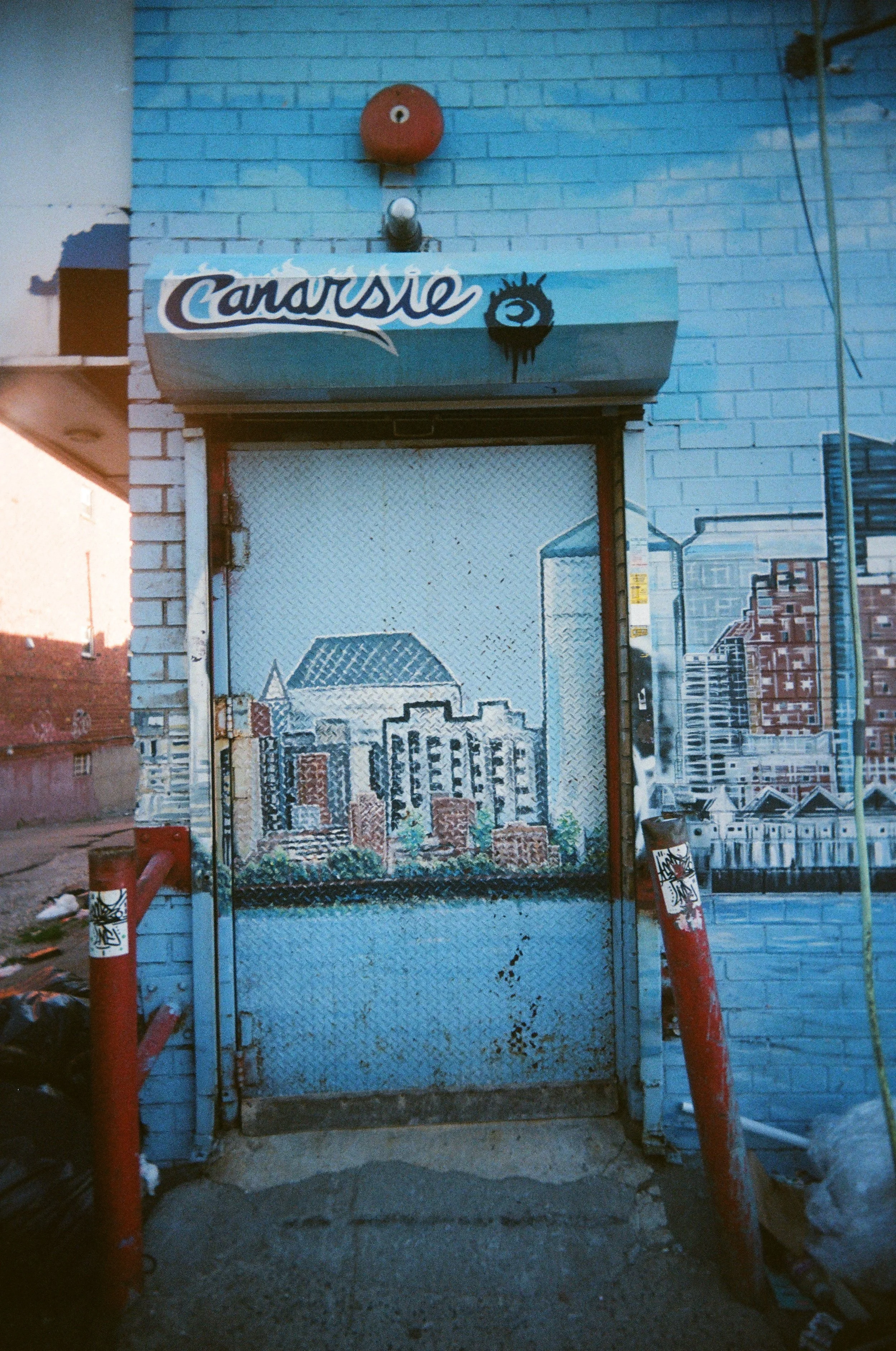
Photo by Alexa Zevallos
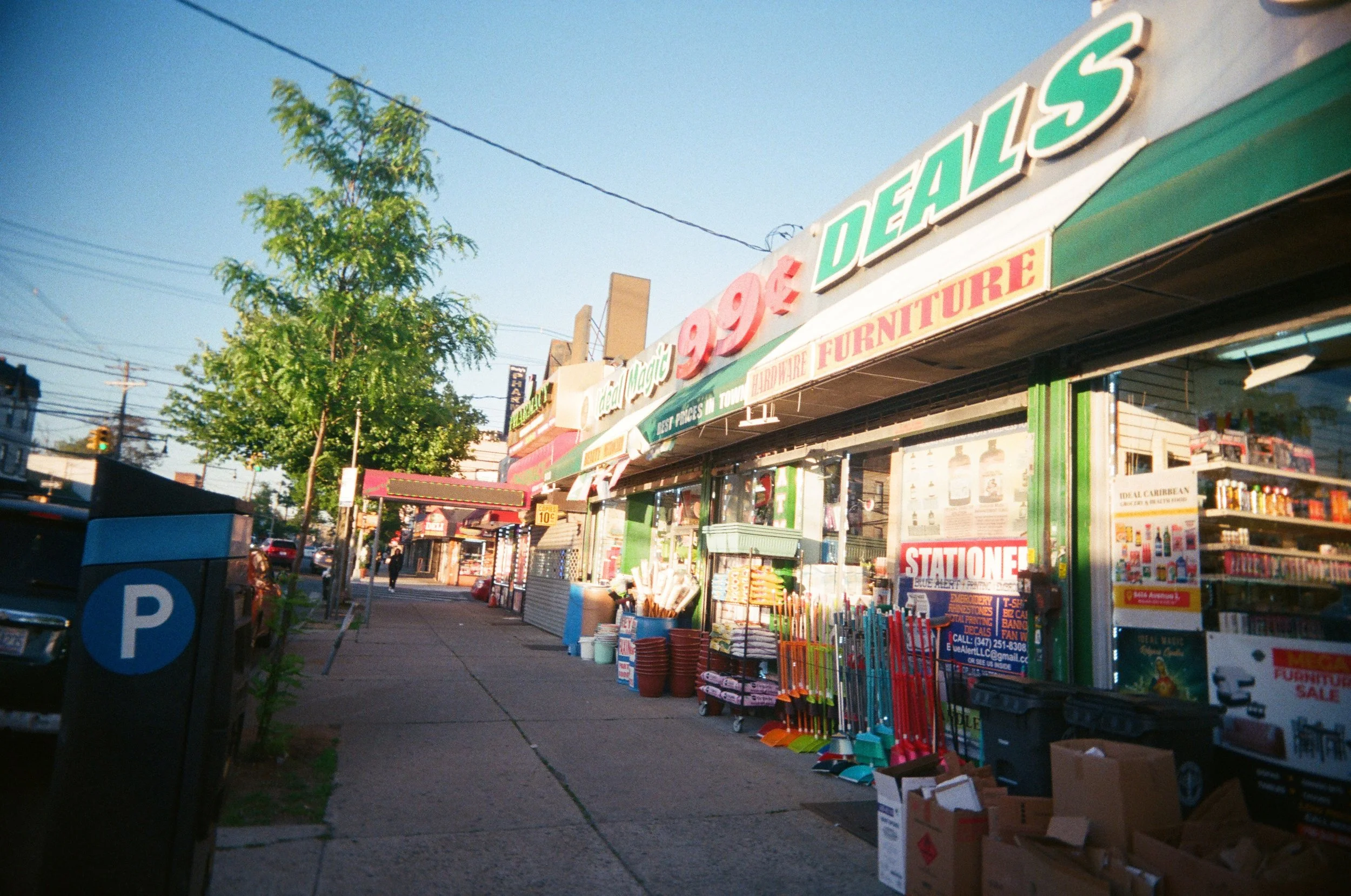
Photo by Alexa Zevallos

Photo by Kervens Delpe
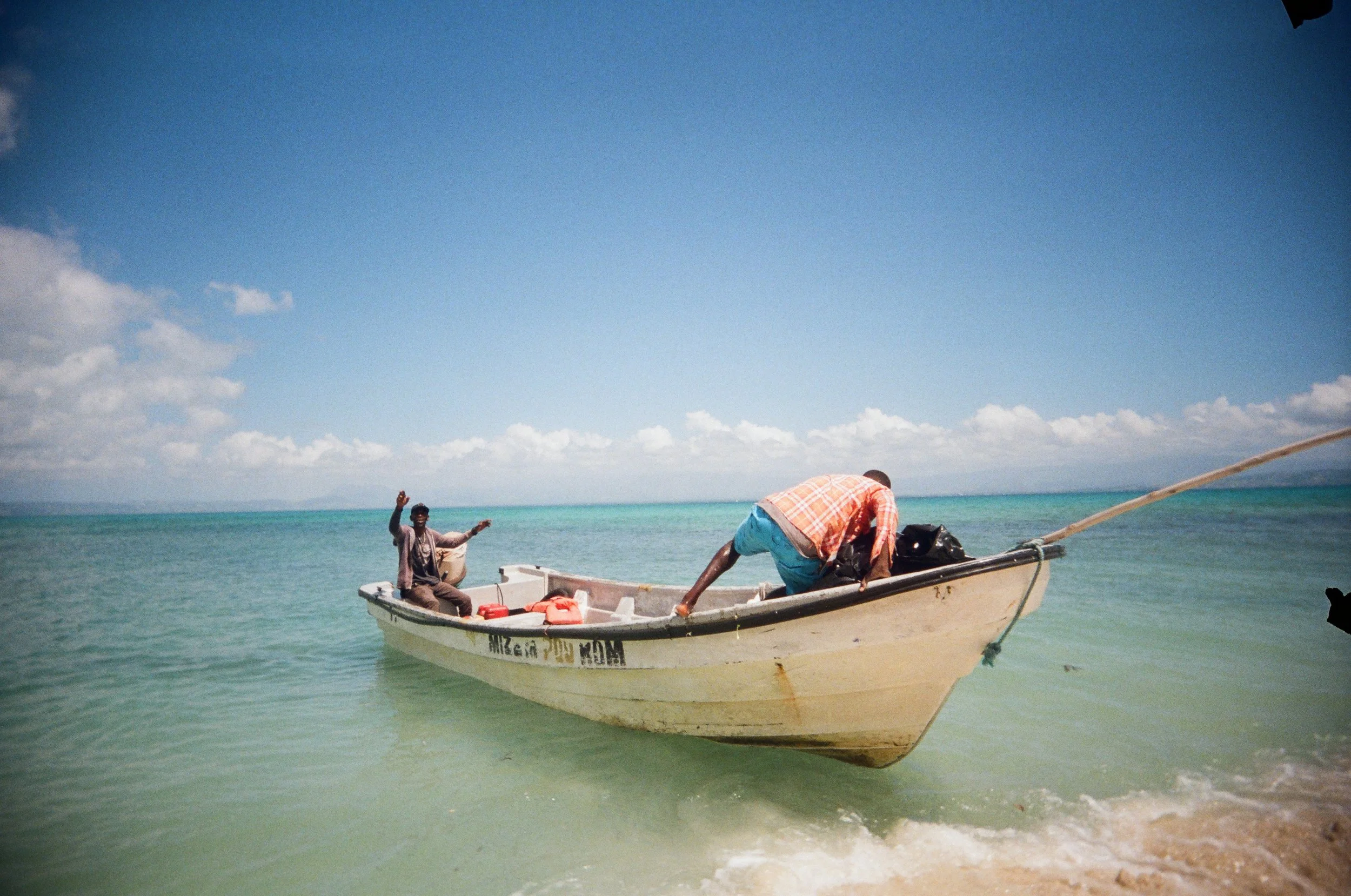
Photo by Axelle Baril
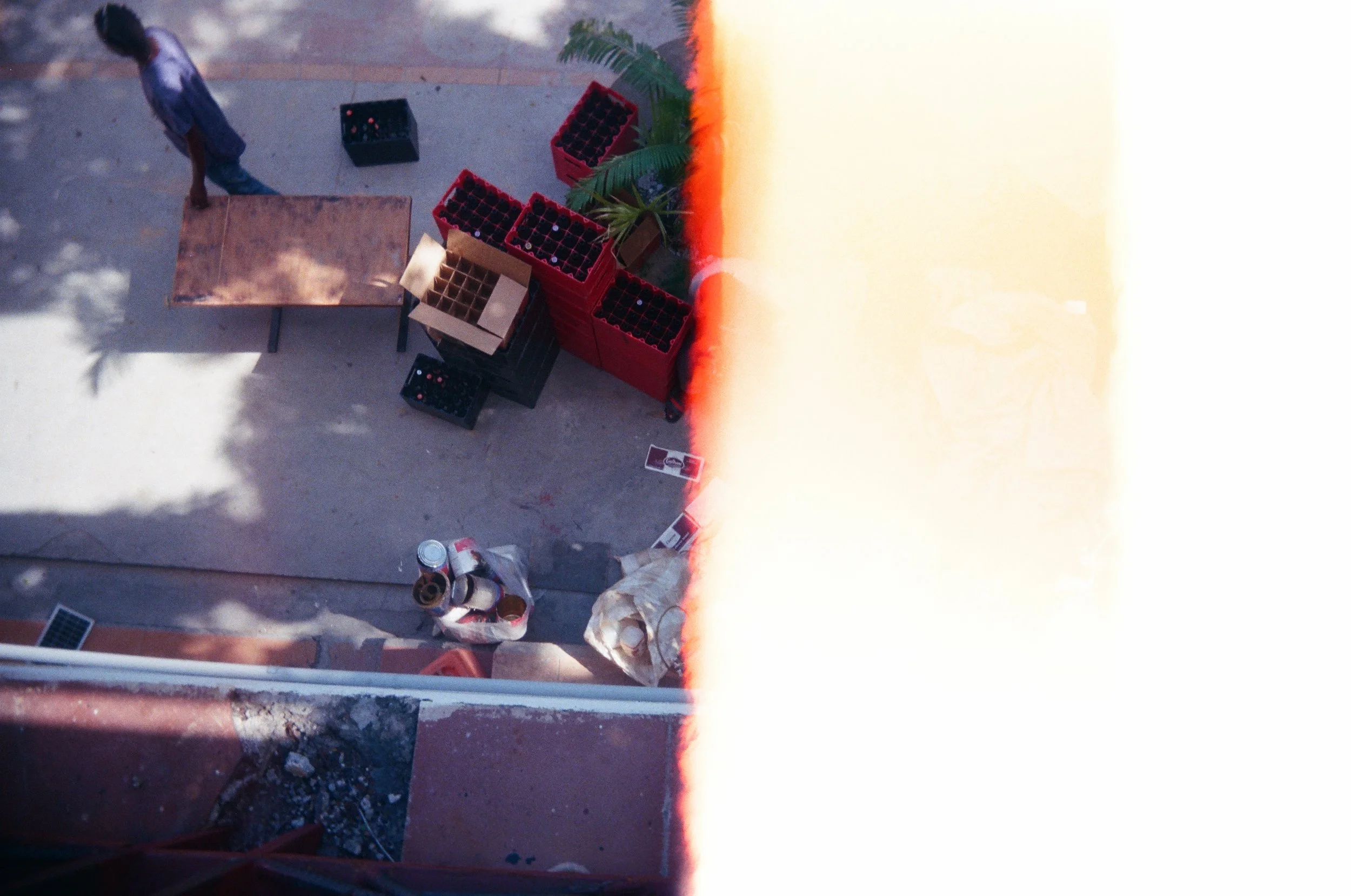
Photo by Axelle Baril

Photo by Axelle Baril
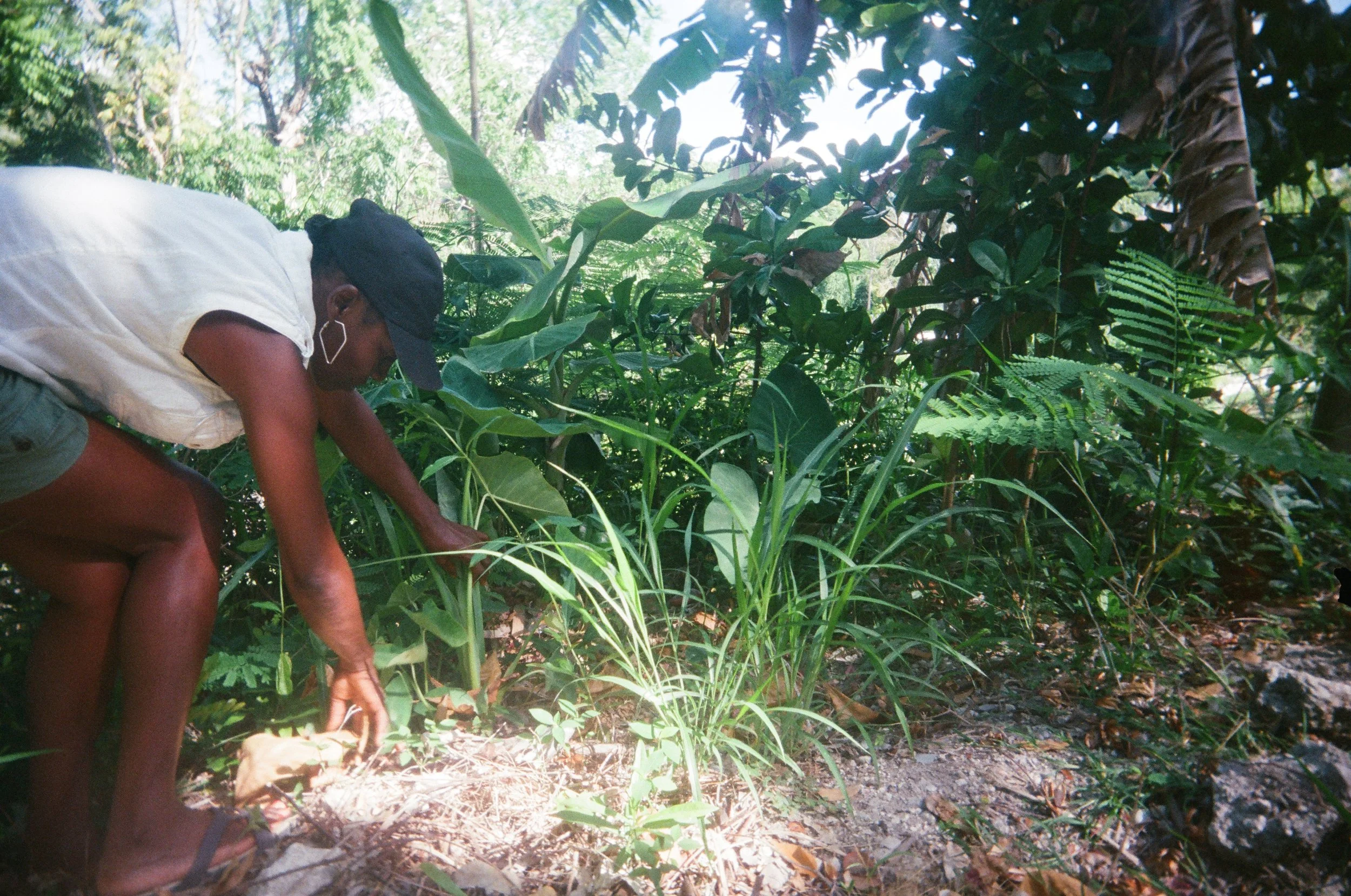
Photo by Axelle Baril
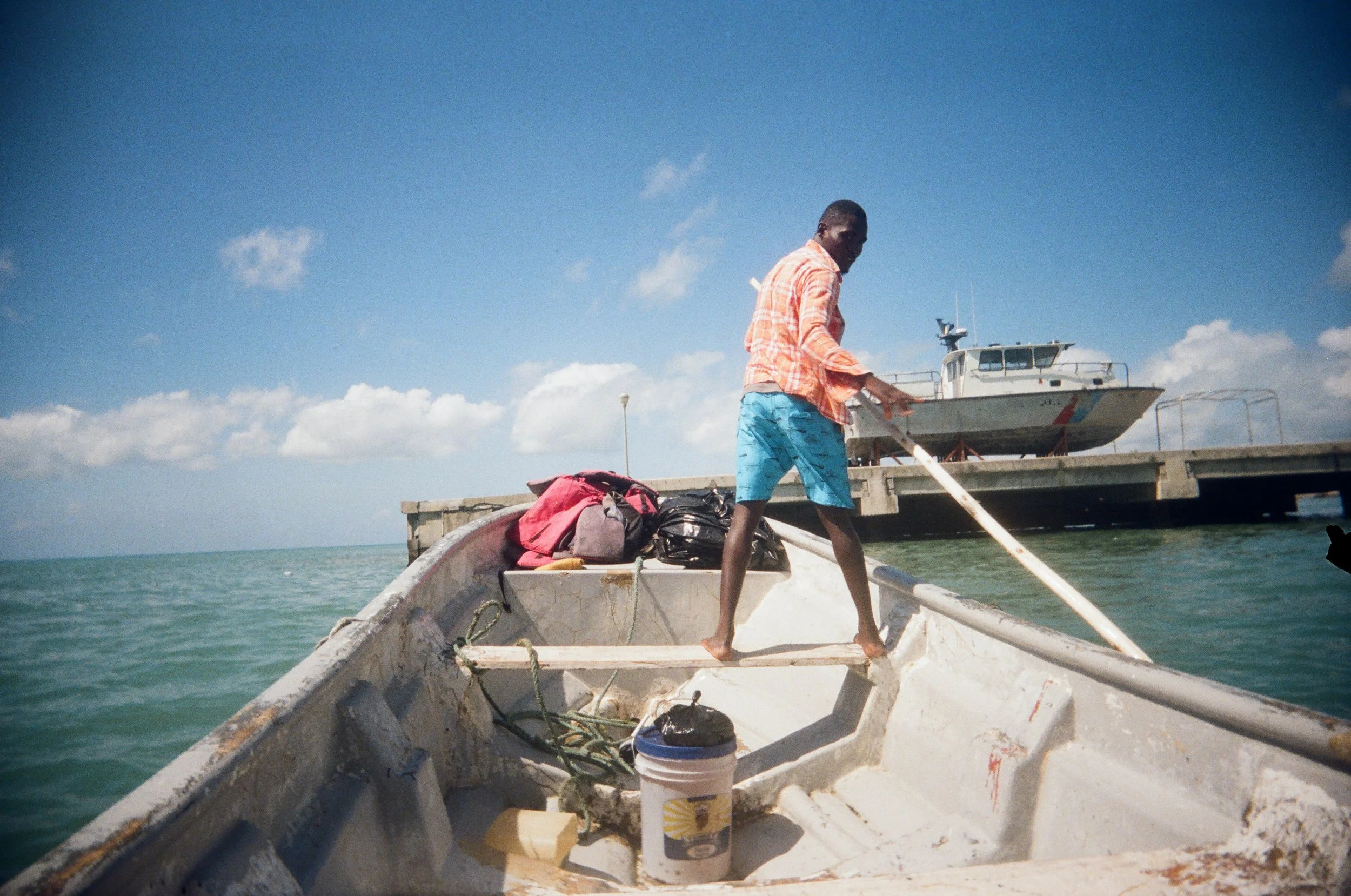
Photo by Axelle Baril
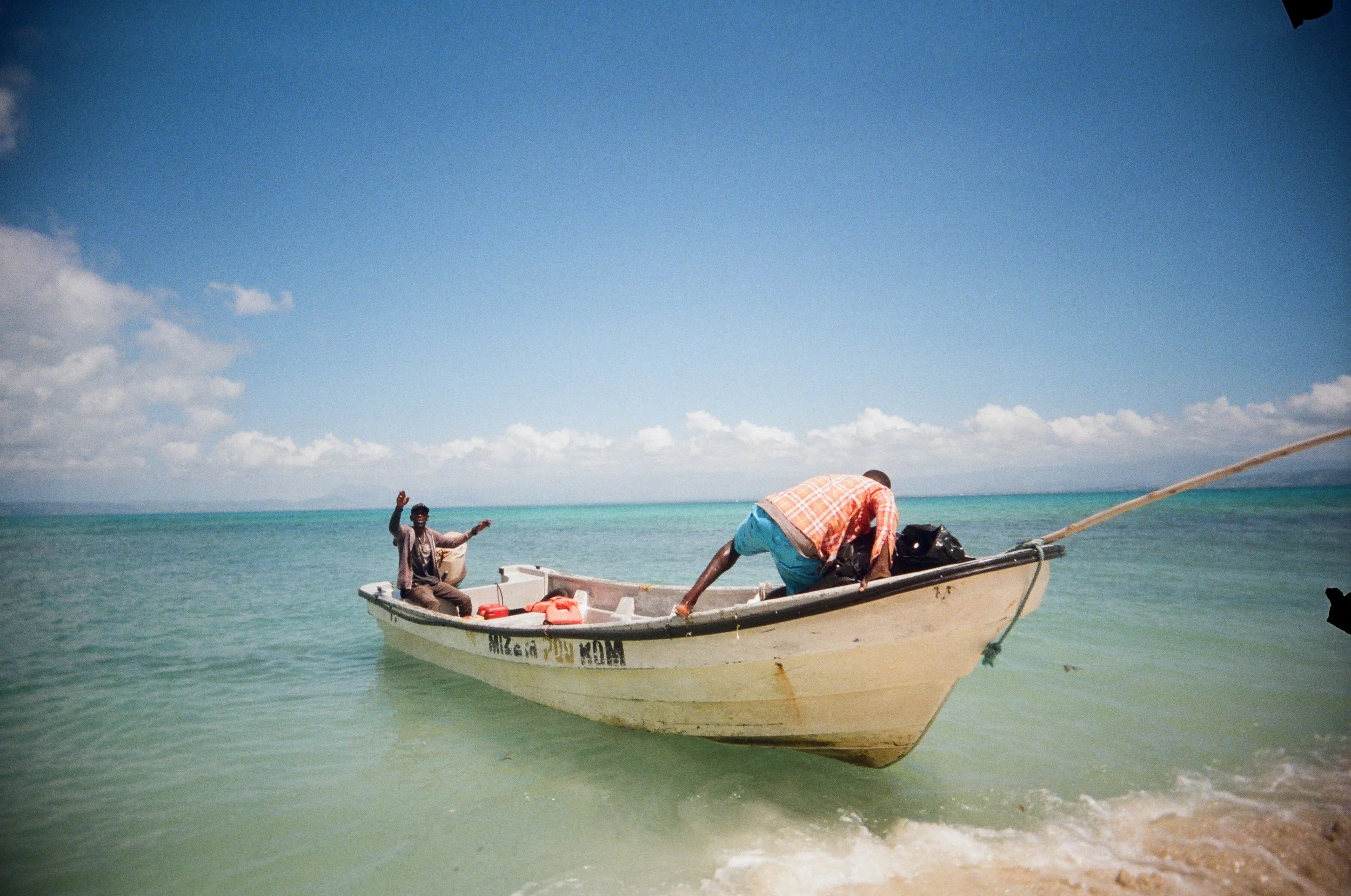
Photo by Axelle Baril
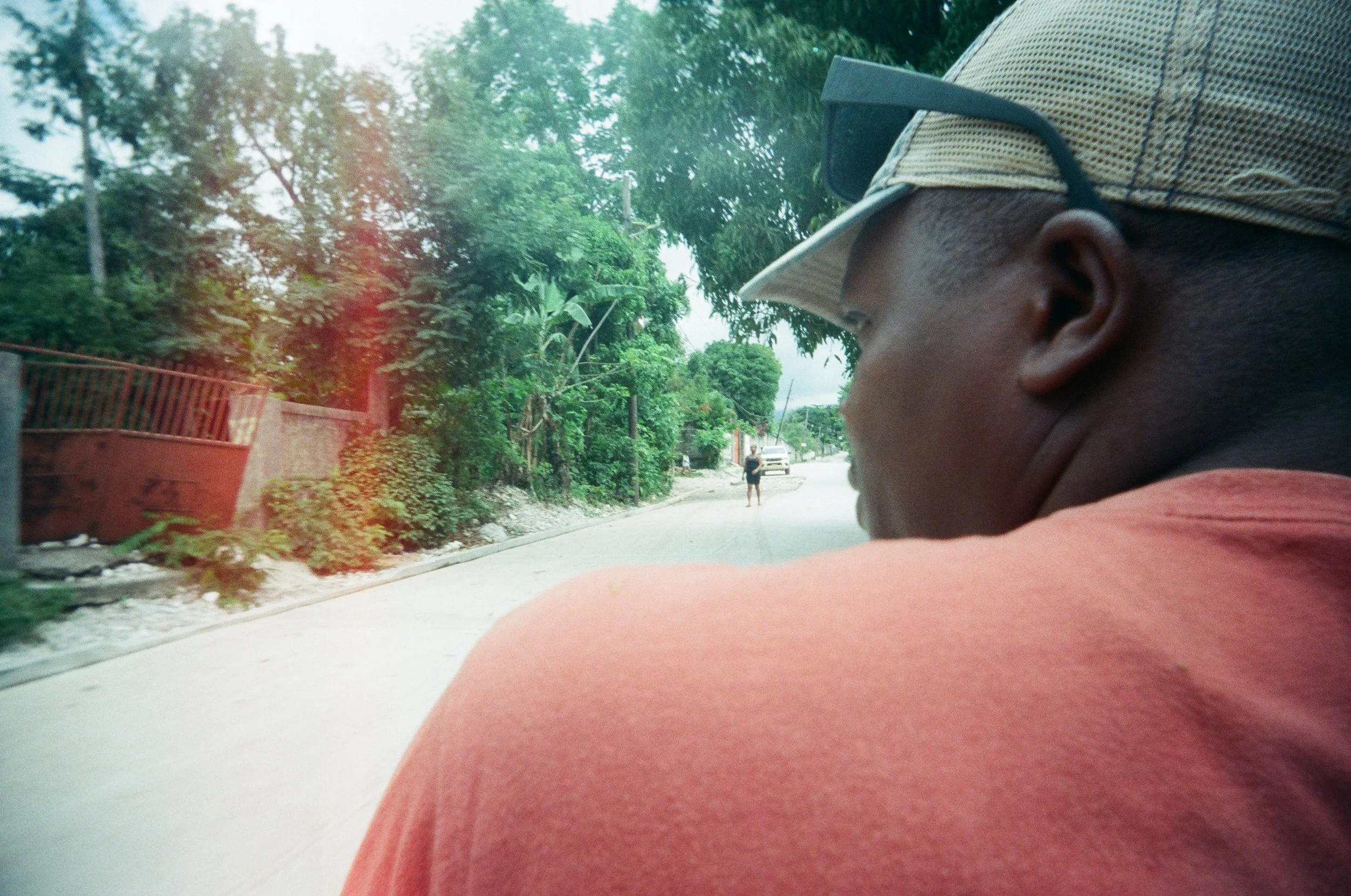
Photo by Axelle Baril
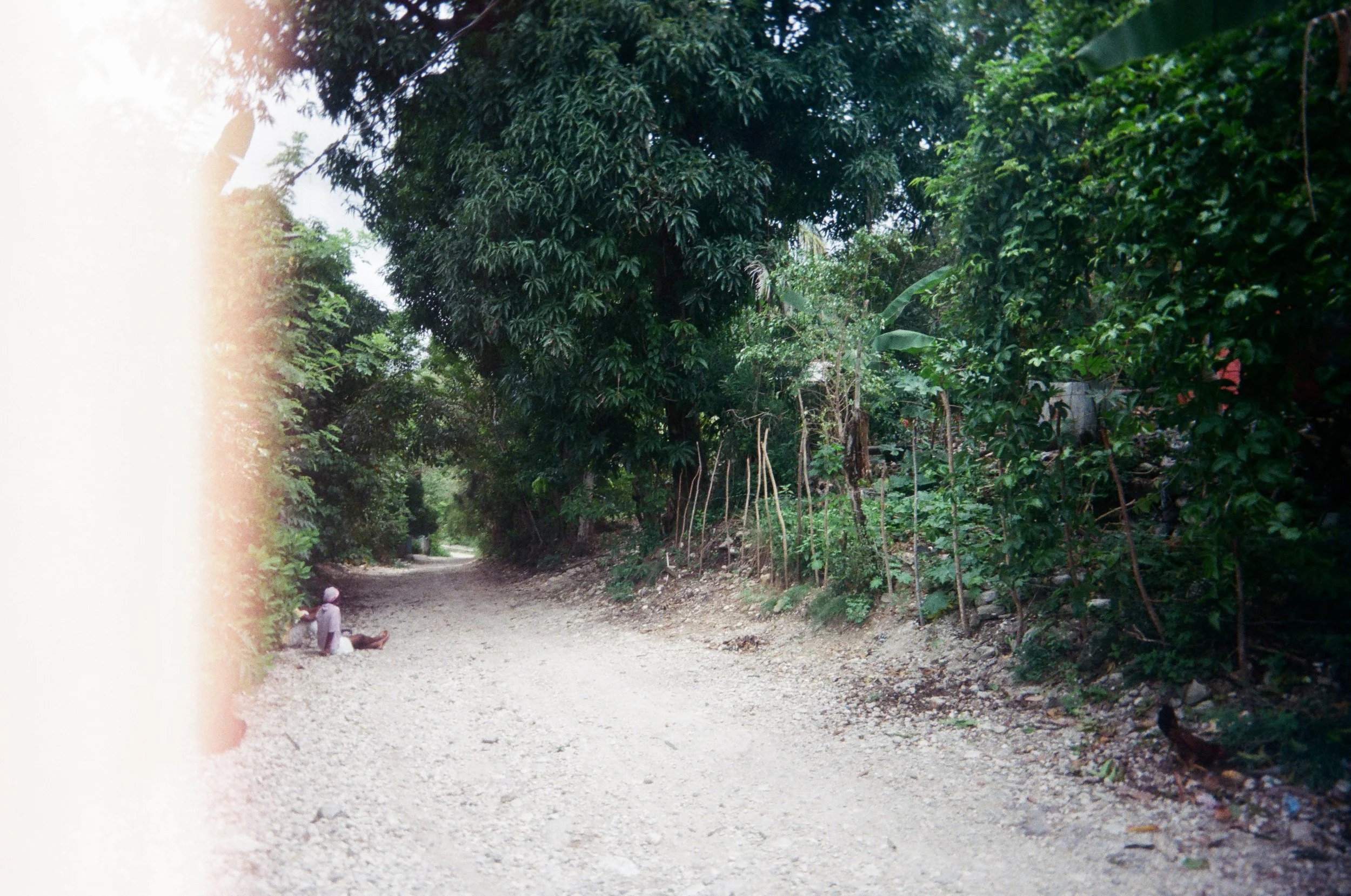
Photo by Axelle Baril
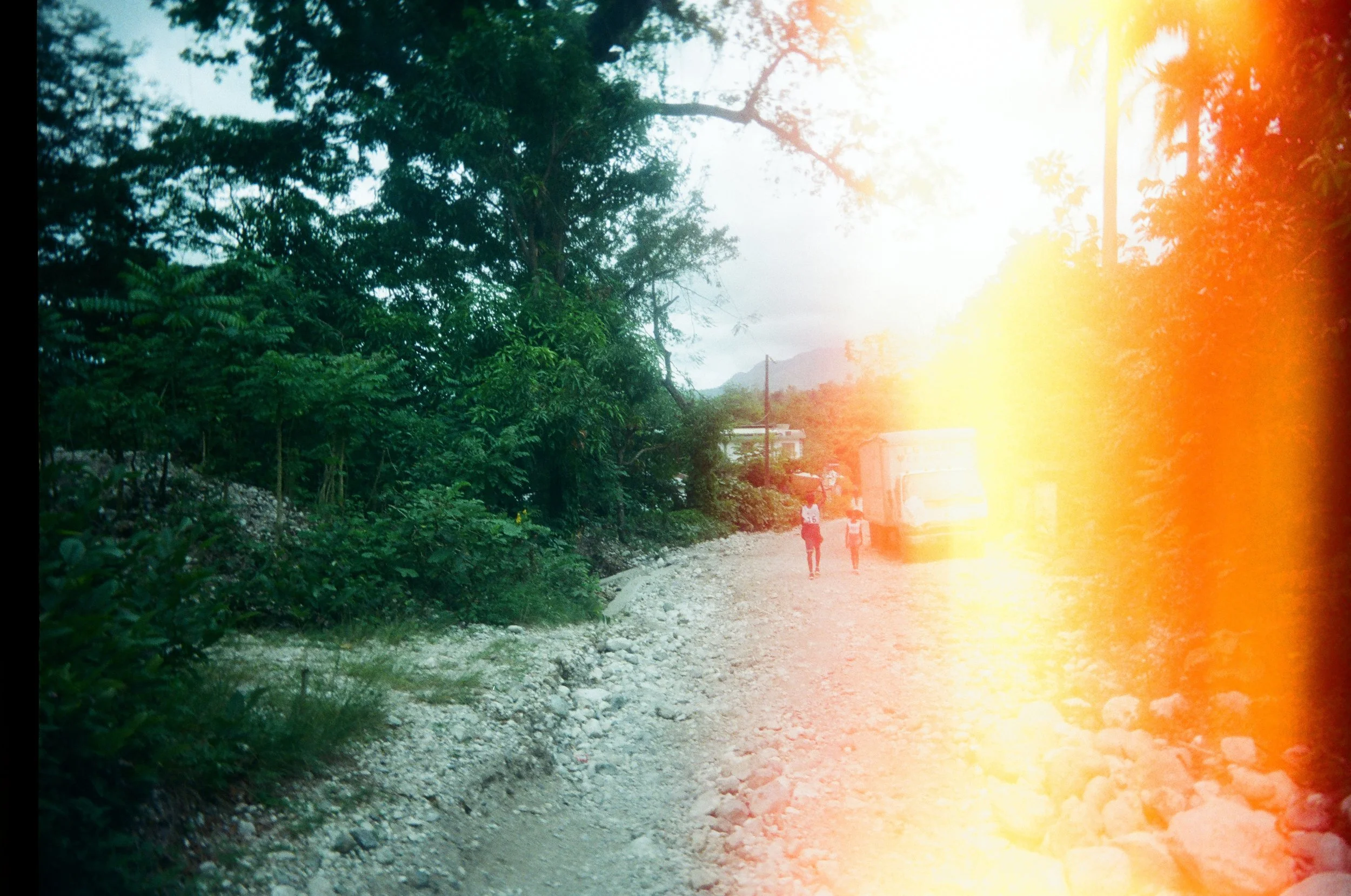
Photo by Axelle Baril
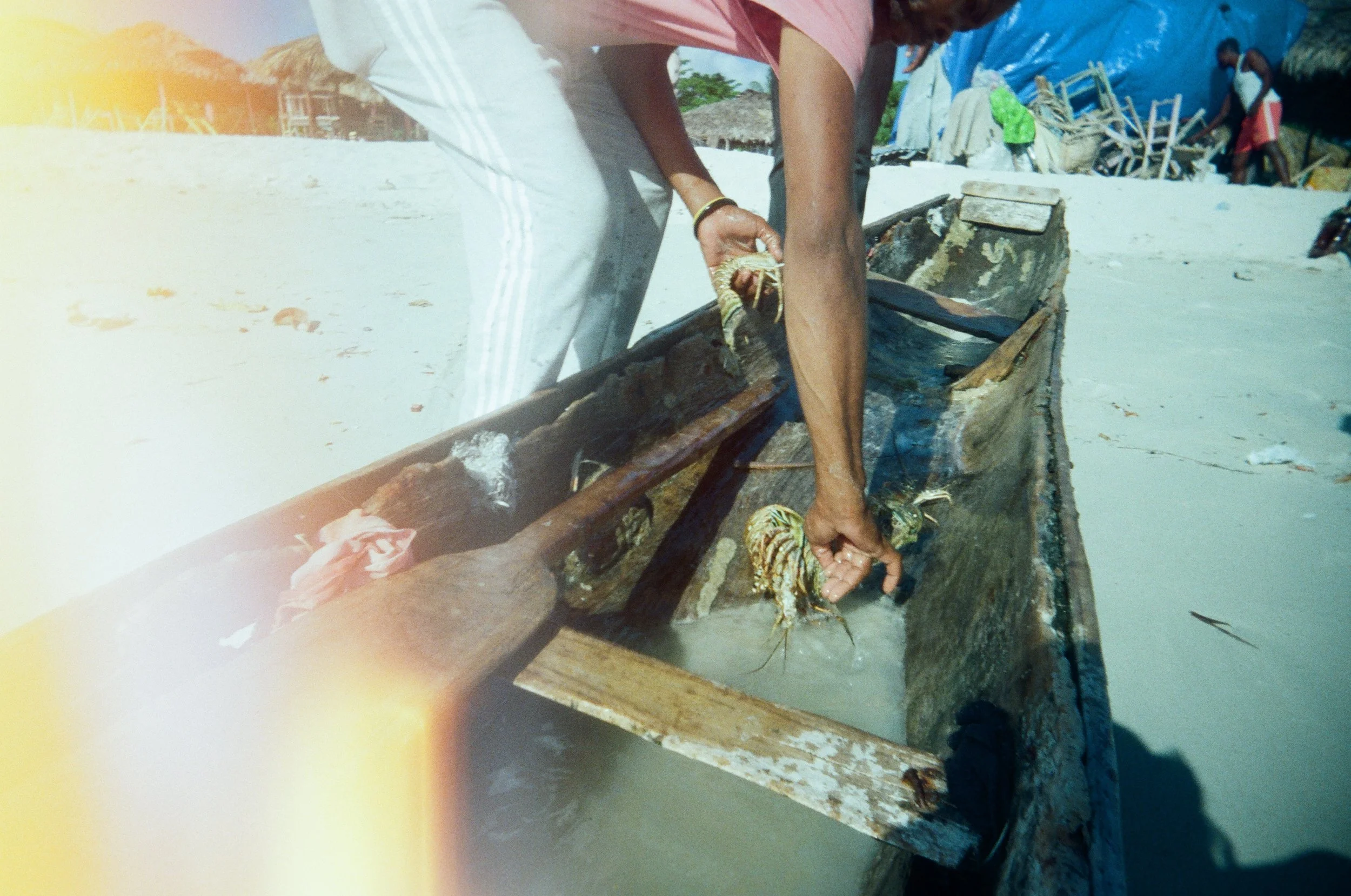
Photo by Axelle Baril